 EN
EN

Η Φυσική της Εγκλωβισμένης Ατμόσφαιρας σε Υλικά Υψηλής Ιξώδους
Στη σύγχρονη παραγωγή, οι αεροθύλακες δεν είναι απλώς μια ενόχληση· αποτελούν άμεση απειλή για την απόδοση του προϊόντος. Κατά την ανάμειξη υλικών υψηλής ιξώδους, οι παραδοσιακές μέθοδοι ανάμειξης σε ατμοσφαιρική πίεση παγιδεύουν συχνά αέρα, με αποτέλεσμα την υποβάθμιση της δομικής ακεραιότητας, την ασυνέπεια κατά την πήξη και την κακή εμφάνιση της επιφάνειας. Είτε πρόκειται για την παραγωγή υψηλής ποιότητας κολλών, αγώγιμων παστών ή περίπλοκων φαρμακευτικών διαλυμάτων, η πρόκληση παραμένει η ίδια: πώς να επιτευχθεί μια τέλεια ομογενής ανάμειξη χωρίς να αφεθούν αεροθύλακες. Η πλανητική κεντρομόλις ανάμειξη έχει αναδειχθεί ως η οριστική λύση σε αυτήν την πρόκληση, αξιοποιώντας προηγμένη φυσική για την απομάκρυνση αεροθύλακων που οι παραδοσιακοί μηχανικοί αναδευτήρες απλώς δεν μπορούν να εξαλείψουν. Με την κατανόηση της αλληλεπίδρασης μεταξύ της κεντρομόλου δύναμης και της πυκνότητας του υλικού, οι μηχανικοί διαδικασίας μπορούν τελικά να ξεπεράσουν τους περιορισμούς της συμβατικής ανάμειξης. Η παρουσία μικροσκοπικών αεροθύλακων οφείλεται συχνά στον τρόπο με τον οποίο τα υλικά διπλώνονται μεταξύ τους, δημιουργώντας κενά που οι μηχανικές λεπίδες δεν μπορούν να διασπάσουν. Η αντιμετώπιση αυτού του προβλήματος απαιτεί μια θεμελιώδη αλλαγή στον τρόπο με τον οποίο η κινητική ενέργεια εφαρμόζεται σε μια ανάμειξη, μετακινώντας την από την απλή διάτμηση προς μια πιο ολιστική, βασισμένη σε δυνάμεις προσέγγιση που προωθεί τη μετανάστευση των εγκλωβισμένων αερίων προς την επιφάνεια για εύκολη απόσυρση.
Κατανόηση του Μηχανισμού της Πλανητικής Κεντροφύγου Δύναμης
Το μυστικό για αποτελέσματα χωρίς φυσαλίδες βρίσκεται στον διπλό μηχανισμό κίνησης του πλανητικού κεντροφύγου αναμειγνυτή. Σε αντίθεση με έναν συνηθισμένο αναδευτήρα που περιστρέφεται γύρω από έναν μόνο άξονα, αυτή η τεχνολογία χρησιμοποιεί συγχρονισμένη πλανητική κίνηση: ο δοχείο περιστρέφεται γύρω από τον ίδιο του τον άξονα ενώ ταυτόχρονα περιφέρεται γύρω από ένα κεντρικό σημείο. Αυτή η κίνηση δύο αξόνων δημιουργεί έντονες κεντροφύγου δυνάμεις που ενεργούν στο υλικό σε μοριακό επίπεδο. Καθώς το υλικό ωθείται προς το εσωτερικό τοίχωμα του δοχείου, τα βαρύτερα και πιο πυκνά συστατικά εξωθούνται προς τα έξω, ενώ οι ελαφρύτερες φυσαλίδες αέρα διαχωρίζονται αποτελεσματικά και κατευθύνονται προς το κέντρο, όπου απομακρύνονται εύκολα. Αυτή η μηχανική δράση δεν είναι απλώς ανάμιξη· είναι μια διαδικασία διαχωρισμού που έχει σχεδιαστεί με ακρίβεια και εξαναγκάζει τον αέρα να εκτοπιστεί ακόμη και από τις πιο ενδόμυχες και ιξώδεις ενώσεις. Επειδή η δύναμη εφαρμόζεται ομοιόμορφα σε όλο τον όγκο του δοχείου, το υλικό υφίσταται συνεχές και σταθερό επίπεδο τάσης, γεγονός που αποτρέπει τον σχηματισμό τοπικών «νεκρών ζωνών». Αυτή η διαδικασία διασφαλίζει ότι το μείγμα δεν είναι μόνο ελεύθερο αέρα, αλλά και τέλεια ομογενοποιημένο, καθώς η συνεχής κίνηση αποτρέπει την καταβύθιση ή τον στρωματισμό των συστατικών κατά τη διάρκεια του κύκλου ανάμιξης.
Πέρα από την Παραδοσιακή Αφαέρωση: Η Δύναμη της Επεξεργασίας Χωρίς Κενό
Για πολλά χρόνια, η βιομηχανία εξαρτιόταν από δύσκολα σε χειρισμό κενογενή θάλαμους για την αφαίρεση του αέρα μετά την ανάμειξη. Ωστόσο, αυτή η διαδικασία δύο βημάτων είναι αναποτελεσματική και συχνά αποτυγχάνει να αφαιρέσει τις μικροσκοπικές φυσαλίδες που εγκλωβίζονται βαθιά μέσα σε πυκνά υλικά. Οι πλανητικοί κεντροφύγοι αναμικτήρες αναπροσδιορίζουν αυτή τη διαδικασία, συνδυάζοντας διασπορά και αφαίρεση αέρα σε ένα ενιαίο, συνεχές βήμα. Η ταυτόχρονη εφαρμογή δυνάμεων υψηλού G και τροχιακής περιστροφής επιτρέπει την αφαίρεση ακόμη και των μικρότερων μικροσκοπικών φυσαλίδων—υπομικρονικών κοιλοτήτων που συνήθως παραμένουν κατά τη συμβατική αφαίρεση αέρα. Αυτή η ενιαία προσέγγιση εξαλείφει την ανάγκη για εξοπλισμό κενού, μειώνει τον κίνδυνο οξείδωσης του υλικού και διασφαλίζει ότι η διασπορά των σωματιδίων παραμένει ομοιόμορφη σε ολόκληρο το παρτίδα, ανεξάρτητα από την πολυπλοκότητα του υλικού. Με την παράκαμψη της ανάγκης για ξεχωριστό βήμα κενού, η διαδικασία γίνεται σημαντικά ταχύτερη και λιγότερο ευάλωτη σε μηχανικές αστοχίες που σχετίζονται με αντλίες κενού και συστήματα σφράγισης. Αυτή η αδιάσπαστη ενσωμάτωση ανάμειξης και αφαίρεσης αέρα αποτελεί μία σημαντική πρόοδο για οποιαδήποτε γραμμή παραγωγής που απαιτεί υψηλή καθαρότητα και σταθερές ιδιότητες υλικού.
Διασφάλιση επαναληψιμότητας της διαδικασίας και συνέπειας των παρτίδων
Η συνέπεια αποτελεί το θεμέλιο της βιομηχανικής εμπιστοσύνης. Σε περιβάλλοντα υψηλού κινδύνου παραγωγής, η δυνατότητα επανάληψης των αποτελεσμάτων παρτίδα μετά παρτίδα είναι αναπόφευκτη. Οι πλανητικοί φυγοκεντρικοί αναδευτήρες σχεδιάζονται με ψηφιακή ακρίβεια, επιτρέποντας στους χρήστες να προρυθμίζουν συγκεκριμένες ταχύτητες περιστροφής και περιφοράς, προκειμένου να ταιριάξουν ακριβώς με τη ρεολογία των υλικών τους. Αυτό το επίπεδο αυτοματοποίησης εξαιρεί το ανθρώπινο λάθος από τη διαδικασία ανάμειξης. Αντικαθιστώντας την εγγενώς χειροκίνητη και υποκειμενική φύση της συμβατικής ανάμειξης με ένα τυποποιημένο, βασισμένο σε δεδομένα κύκλο, οι κατασκευαστές μπορούν να διασφαλίζουν ότι οι ιδιότητες του τελικού προϊόντος—όπως η ιξώδες, η κατανομή των σωματιδίων και η πυκνότητα—παραμένουν ταυτόσημες σε κάθε μεμονωμένη εκτέλεση. Αυτή η αξιοπιστία είναι ζωτικής σημασίας για οργανισμούς που απαιτούν αυστηρή τήρηση των τυποποιημένων διαδικασιών λειτουργίας και των διεθνών προτύπων ποιότητας. Επιπλέον, η δυνατότητα αρχειοθέτησης συγκεκριμένων προγραμμάτων ανάμειξης για διαφορετικά υλικά επιτρέπει γρήγορες αλλαγές στην παραγωγή, επιτρέποντας στους κατασκευαστές να αυξήσουν την παραγωγή ή να μεταβούν μεταξύ διαφορετικών γραμμών προϊόντων με απόλυτη εμπιστοσύνη στη σταθερότητα της διαδικασίας τους.
Βελτιστοποίηση της Εμπορικής Αξίας και της Απόδοσης Παραγωγής
Από εμπορικής άποψης, η υιοθέτηση της τεχνολογίας πλανητικής κεντροφύγου αποτελεί επένδυση στην αποδοτικότητα των πόρων. Με τη μείωση του χρόνου που απαιτείται για την επίτευξη μιας τέλειας, αφρώδους μίξης, οι επιχειρήσεις μπορούν να αυξήσουν σημαντικά την παραγωγικότητά τους. Επιπλέον, δεδομένου ότι αυτή η τεχνολογία εξαλείφει την ανάγκη για εισβολικές λεπίδες ανάμιξης ή πτερύγια, δεν υπάρχει κίνδυνος ενδεχόμενης εναλλαγής μόλυνσης ή μηχανικής φθοράς που θα μπορούσε να οδηγήσει σε απώλεια υλικού. Οι κατασκευαστές που μεταβαίνουν σε αυτά τα προηγμένα συστήματα αναφέρουν συνεχώς υψηλότερες αποδόσεις και χαμηλότερο κόστος λειτουργίας. Όταν μειώνεται ο χρόνος που δαπανάται για επανεπεξεργασία, διάγνωση προβλημάτων ή απόρριψη ελαττωματικών παρτίδων, η απόδοση της επένδυσης γίνεται σαφής. Πρόκειται για τη δημιουργία μιας πιο ελαφριάς, ταχύτερης και κερδοφόρου γραμμής παραγωγής, η οποία εκτιμά την ακεραιότητα του υλικού τόσο όσο και την ταχύτητα. Η δυνατότητα επίτευξης υψηλής ποιότητας προϊόντων ενώ ταυτόχρονα μειώνεται η κατανάλωση ενέργειας και η απόρριψη υλικού θέτει μια εταιρεία σε θέση να προηγείται των ανταγωνιστών της σε έναν όλο και πιο απαιτητικό παγκόσμιο αγοραστικό χώρο.
SMIDA: Ο Εμπιστευόμενος Σας Σύντροφος στις Προηγμένες Λύσεις Ανάμειξης
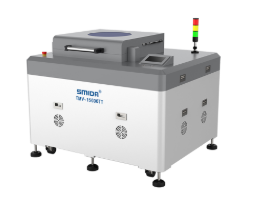
Στην SMIDA, η εστίαση είναι στην κατανόηση ότι η επίτευξη αριστείας στην παραγωγή απαιτεί περισσότερα από απλώς υψηλής απόδοσης υλικό εξοπλισμό· απαιτεί μια βαθιά, τεχνική συνεργασία. Ως ηγέτης στον σχεδιασμό και την κατασκευή πλανητικών φυγοκεντρικών αναδευτήρων, η SMIDA συνδυάζει εκτεταμένη εμπειρία στον κλάδο με εγκαταστάσεις παραγωγής κατάστασης τέχνης για να παρέχει ανθεκτικές, υψηλής ακρίβειας λύσεις. Το ευρύ φάσμα προϊόντων, το οποίο στηρίζεται σε πολυάριθμες τεχνικές πατέντες, διασφαλίζει ότι ο εξοπλισμός κατασκευάζεται για να ανταποκρίνεται στις πιο απαιτητικές ανάγκες των παγκόσμιων βιομηχανικών και φαρμακευτικών τομέων. Κατά τη συνεργασία με την SMIDA, αποκτάτε πρόσβαση σε μια αφοσιωμένη ομάδα που αφιερώνεται στη βελτιστοποίηση των αλυσίδων εφοδιασμού, στη βελτίωση των πρωτοκόλλων ανάμιξης και στην παροχή τεχνικής υποστήριξης μακροπρόθεσμα. Η SMIDA είναι εδώ για να σας βοηθήσει να αναβαθμίσετε τις δυνατότητες παραγωγής σας και να προστατεύσετε τη φήμη των μαρκών σας μέσω καινοτομίας, συνέπειας και ανεπανάληπτης αξιοπιστίας. Με την ενσωμάτωση αυτών των εξειδικευμένων συστημάτων, οι οργανισμοί μπορούν να διασφαλίσουν ότι οι διαδικασίες παραγωγής τους παραμένουν στην πρώτη γραμμή της τεχνολογίας, παρέχοντας συνεχώς υψηλή ποιότητα στους πελάτες τους παγκοσμίως.
Περιεχόμενα
- Η Φυσική της Εγκλωβισμένης Ατμόσφαιρας σε Υλικά Υψηλής Ιξώδους
- Κατανόηση του Μηχανισμού της Πλανητικής Κεντροφύγου Δύναμης
- Πέρα από την Παραδοσιακή Αφαέρωση: Η Δύναμη της Επεξεργασίας Χωρίς Κενό
- Διασφάλιση επαναληψιμότητας της διαδικασίας και συνέπειας των παρτίδων
- Βελτιστοποίηση της Εμπορικής Αξίας και της Απόδοσης Παραγωγής
- SMIDA: Ο Εμπιστευόμενος Σας Σύντροφος στις Προηγμένες Λύσεις Ανάμειξης