 EN
EN

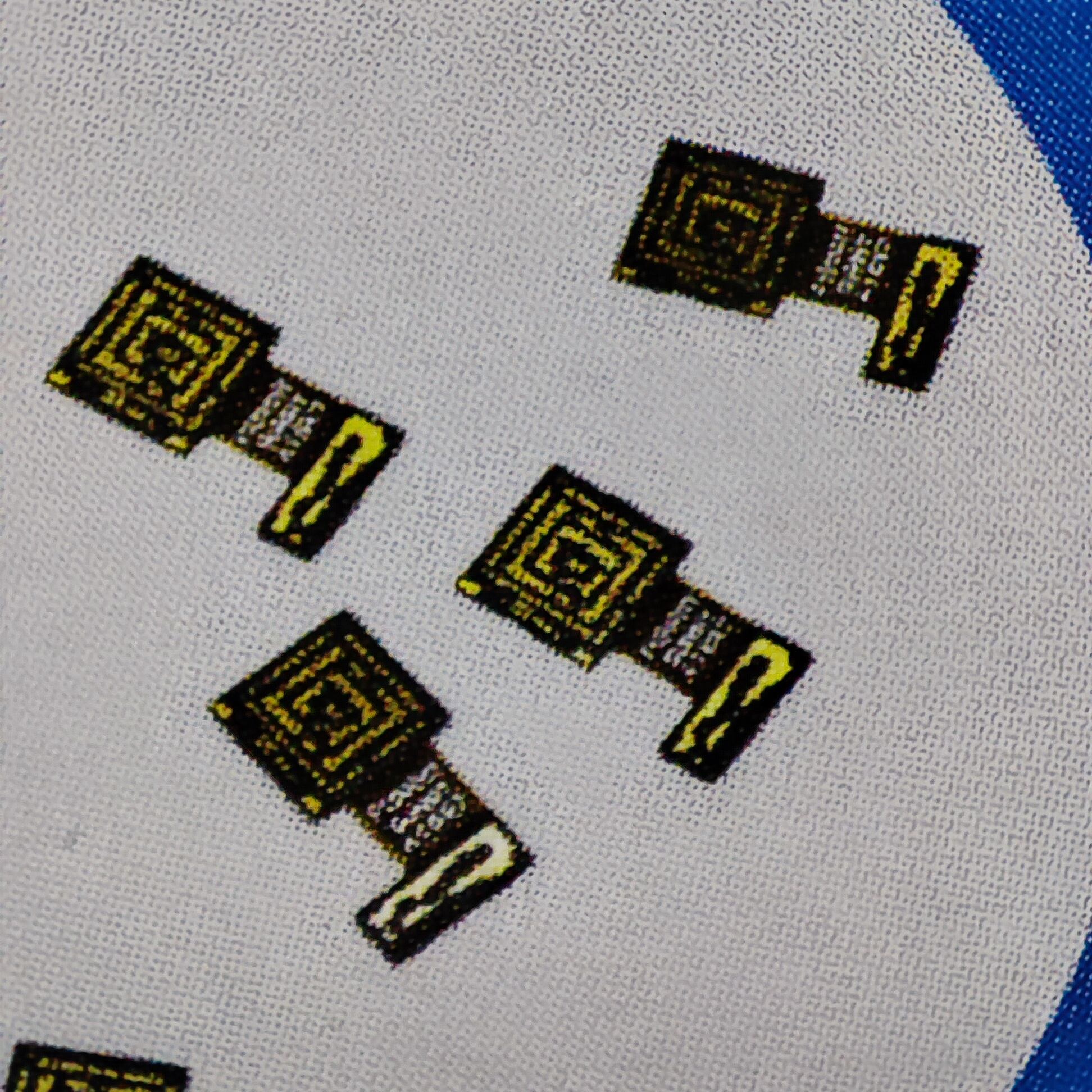
The Delicate World of Flexible Circuits
Flexible printed circuits, or FPCs, are everywhere in modern electronics. They fold into smartphones, curl around camera modules, and snake through the tight spaces inside wearable devices and medical instruments. The whole point of a flexible circuit is that it can bend, twist, and conform to shapes that rigid boards never could. But that flexibility comes at a cost during manufacturing. The materials that make FPCs bendable, primarily polyimide films and thin copper layers, are also extremely sensitive to heat and mechanical stress. Cut them the wrong way, and you get delamination, carbonization, burrs, and micro cracks that can turn a perfectly designed circuit into an unreliable mess.
Heat Is the Biggest Threat
The fundamental challenge in cutting flexible circuits is managing heat. Polyimide, the most common substrate material for FPCs, starts to degrade and carbonize when exposed to high temperatures. CO2 lasers operate at a long wavelength that generates substantial thermal energy, and while they can cut polyimide, they often leave darkened, carbonized edges that are electrically problematic and visually unacceptable. Mechanical routing introduces its own set of problems, including burrs, dust, and physical stress on the delicate copper traces. Neither approach is ideal for the tight tolerances and clean edges that modern electronics demand. This is where the uv laser cutting machine becomes the clear favorite.
Why UV Wavelength Makes the Difference
A uv laser cutting machine operates at a wavelength of 355 nanometers, which falls in the ultraviolet spectrum. This short wavelength is absorbed extremely well by the polymers and adhesives used in flexible circuit construction. More importantly, the UV laser removes material through a cold ablation process rather than through thermal melting. The high energy photons directly break molecular bonds in the material, causing it to vaporize without transferring significant heat to the surrounding area. The heat affected zone can be as small as 10 microns, which means the polyimide next to the cut stays clean and unblemished rather than turning brown and brittle.
No Burrs, No Carbonization, No Stress
The practical results of UV laser cutting on flexible circuits are immediately obvious when you look at the cut edge. There are no burrs at all, because the material is not being mechanically torn or pushed aside. There is no carbonization, because the thermal load is so low that the polymer never reaches its degradation temperature. And there is no mechanical stress introduced into the circuit, because the process is entirely non contact. The cut edge is smooth, clean, and dimensionally accurate. For flexible circuits that will be folded, bent, or vibrated over their lifetime, this edge quality is directly linked to long term reliability. A burr or a micro crack at the cut edge can become a starting point for trace failure months or years down the line.
Complex Outlines Without Tooling Costs
Another reason a uv laser cutting machine is preferred for flexible circuits has to do with flexibility in the manufacturing process itself. Mechanical methods like die cutting require physical tooling that is expensive to make and slow to modify. If the circuit design changes, which happens constantly in consumer electronics, new tooling must be fabricated. Laser cutting requires no physical tooling at all. The cut path is programmed directly from the CAD file, and design changes can be implemented in minutes. This makes UV laser cutting especially well suited for prototyping, low volume production, and the rapid design iteration cycles that characterize the electronics industry.
The Go To Solution for FPC Manufacturing
When you add up all the requirements for flexible circuit cutting, no burrs, no carbonization, no mechanical stress, tight tolerances, and the ability to handle complex shapes, the uv laser cutting machine checks every box. It is not the cheapest machine to buy, but the elimination of post processing, the reduction in scrap, and the ability to handle designs that other methods cannot touch make it a sound investment. As electronics continue to shrink and flexible circuits find their way into more products, from medical wearables to automotive sensors, UV laser cutting will remain the preferred method for turning delicate flexible materials into reliable finished circuits.