 EN
EN

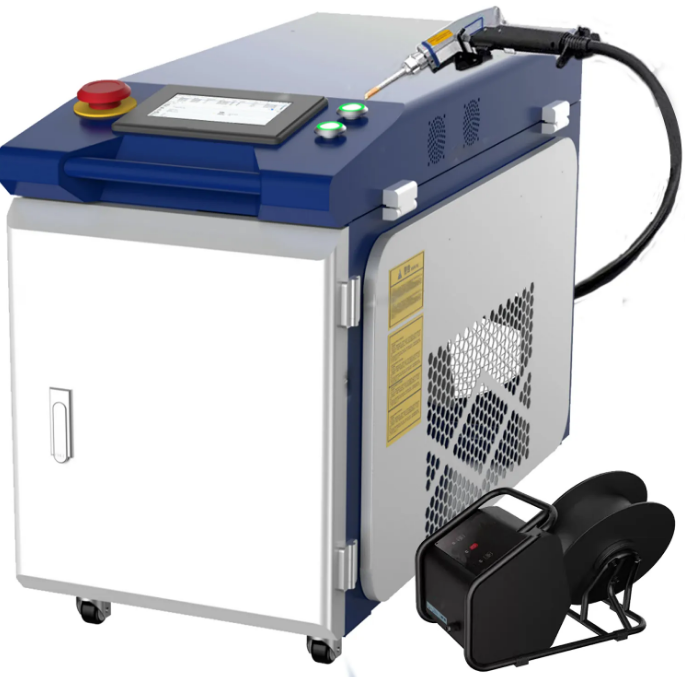
What Are the Unique Advantages of a UV Laser Cutting Machine?
When modern manufacturing facilities start looking into advanced micro-electronics fabrication and high-precision cutting solutions, they quickly realize that traditional mechanical tools and standard thermal systems simply cannot keep up with today's demanding production requirements. Field experience shared by senior industrial engineers and optical fabrication consultants shows that conventional cutting techniques often create micro-cracks, mechanical stress, and unwanted thermal distortion when handling ultra-thin or sensitive substrates across fast-moving assembly lines. Bringing in advanced ultraviolet laser technology completely changes how production lines handle intricate component separation, clean-edge structuring, and delicate material profiling for next-generation electronic devices. Utilizing a high-performance UV laser cutting machine allows manufacturers to achieve sub-micron accuracy, skip secondary edge-finishing steps, and keep fragile components completely intact through continuous multi-shift production runs. Moving toward optical-based manufacturing makes industrial ecosystems far more efficient, flexible, and cost-effective across global high-tech sectors, ensuring long-term technological competitiveness and enhanced production capability. Furthermore, adopting non-contact optical processing significantly reduces material contamination risks and preserves the original physical properties of sensitive composite films, flexible circuit boards, and delicate semiconductor substrates used in modern consumer electronics and aerospace engineering.
Understanding the Core Physics of Cold Processing and Short Wavelengths
At the heart of any reliable UV laser cutting system lies specialized optical physics and short-wavelength material interaction principles. Unlike traditional infrared or carbon dioxide lasers that rely heavily on thermal energy to melt and vaporize material, ultraviolet lasers operate at a unique 355nm wavelength with exceptionally high photon energy density. Industrial material science experts point out that this specific characteristic enables true cold processing—a mechanism where high-energy photons directly break the molecular bonds of the target material instead of depending on heavy heat accumulation. This minimal heat-affected zone completely prevents burning, carbonization, and warping on delicate substrates like flexible printed circuits, thin glass, technical ceramics, and advanced polymers. Meticulous control over pulse width, frequency modulation, and energy density ensures that intricate geometries maintain clean edges without structural thermal degradation. This precise photochemical ablation mechanism allows engineers to execute complex contour cutting with exceptional reproducibility and sharp wall profiles across difficult industrial materials.
Unrivaled Precision and Material Versatility in High-End Applications
Setting up high-specification laser systems in demanding production environments requires strict adherence to proper optical engineering and motion control standards. Precision optical specialists consistently recommend ultraviolet cutting solutions for applications that need ultra-fine kerf widths, microscopic contouring, and tight positional tolerances. Whether you are processing micro-electronic parts, medical device films, or specialized display panels for advanced instrumentation, a modern UV laser cutting machine delivers repeatable accuracy down to the micron level. This great material adaptability allows operators to transition smoothly between different non-metal, metallic, and composite substrates without changing out hardware, which boosts day-to-day flexibility and cuts down on material scrap rates across busy production schedules. Additionally, integrated machine vision systems and automated alignment software optimize positioning accuracy, eliminating manual calibration errors and ensuring maximum yield consistency across large production batches.
Delivering Significant Commercial Value and Operational Efficiency
Beyond technical advantages, investing in a professional-grade UV laser cutting system brings serious commercial value and operational return on investment for factory managers and industrial contractors worldwide. Optimized cutting speeds and efficient non-contact processing significantly reduce on-site labor requirements, tool wear expenses, and post-processing deburring costs. In competitive electronics and consumer goods industries, clean single-pass cutting lowers overall production cycle times and keeps defective batch rates very low, protecting profit margins. This kind of practical reliability helps control total project budgets, stabilizes product yields, and builds strong confidence among plant operators who demand consistent manufacturing performance and reliable delivery schedules across all international markets. Bulk procurement and streamlined integration further optimize capital expenditure allocations for major manufacturing facility upgrades.
Strategic Sourcing and Long-Term Reliability in Advanced Manufacturing
Smart industrial planning always looks past initial equipment purchase prices and focuses on the total lifecycle value of automated machinery. Choosing robust, high-specification laser systems minimizes unexpected factory downtime and reduces long-term maintenance overhead for production teams and facility managers. Organizations that value standardized and reliable optical architectures generally experience smoother production rollouts and fewer supply chain headaches as market demands scale up across international trade channels. Teaming up with dependable industry partners ensures consistent equipment calibration, clear technical documentation, and steady engineering support for international manufacturers working through strict quality and environmental guidelines. Strategic capital allocation toward advanced optical machinery ultimately fortifies supply chain resilience, ensuring that manufacturing enterprises can adapt swiftly to shifting market trends and emerging technological requirements.
Manufacturing Excellence and Global Supply Leadership with SMIDA
Reaching uncompromised optical performance, precise beam stability, and seamless international delivery takes serious processing capability and strict quality oversight. Backed by extensive industry experience, SMIDA operates advanced production facilities equipped with modern grading machinery and thorough multi-stage quality checks, ensuring consistent optical purity, stable operation, and solid structural durability. By blending strong manufacturing capacity with flexible global logistics, SMIDA provides international partners with dependable, high-performance industrial solutions built for long-term market success and steady brand growth across global distribution networks.
Table of Contents
- What Are the Unique Advantages of a UV Laser Cutting Machine?
- Understanding the Core Physics of Cold Processing and Short Wavelengths
- Unrivaled Precision and Material Versatility in High-End Applications
- Delivering Significant Commercial Value and Operational Efficiency
- Strategic Sourcing and Long-Term Reliability in Advanced Manufacturing
- Manufacturing Excellence and Global Supply Leadership with SMIDA