 EN

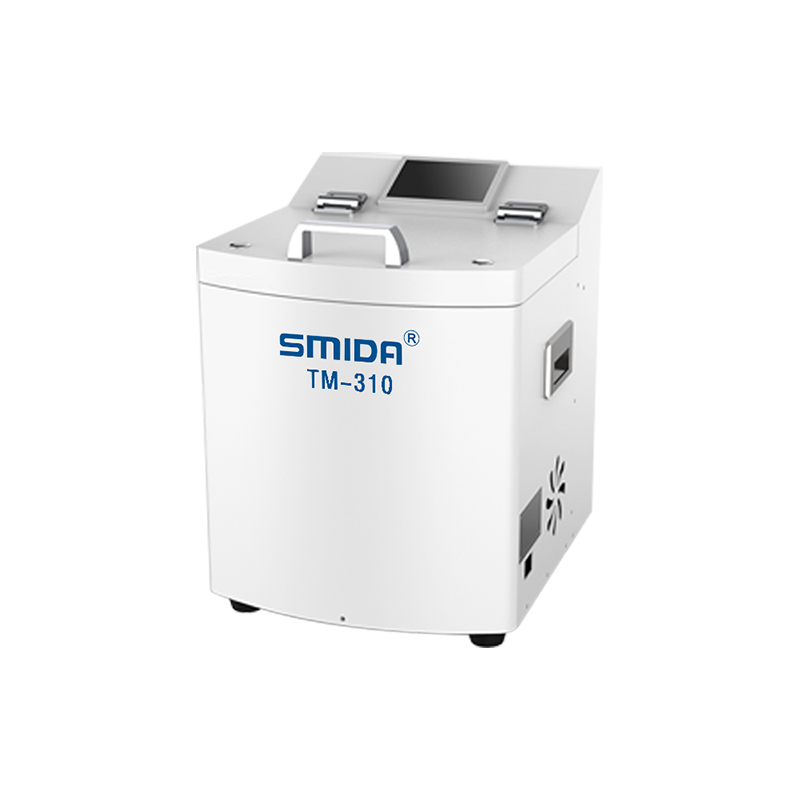
Shedding Light on Everyday Lab Mixing Bottlenecks
Working in modern R&D labs across advanced materials, electronics, cosmetics, or specialized formulations usually comes with a familiar headache. Anyone trying to blend high-viscosity pastes, reactive resins, or fine nano-powders knows how stubborn traditional mechanical stirring or magnetic agitation can be. They frequently leave dead zones, trap stubborn micro-bubbles, and fail to offer reliable consistency from one batch to the next. According to materials science guidelines, getting rid of tiny air pockets is non-negotiable because trapped voids ruin structural integrity and mess up electrical properties down the road. That is precisely why switching to a planetary centrifugal mixer completely changes the game for lab teams, allowing them to mix and degas instantly without messing with traditional propeller blades.
The Secret Behind Dual-Axis Centrifugal Mechanics
To really grasp why these modern mixers perform so well, it helps to look at how they actually move. Instead of just spinning in place, a professional planetary centrifugal mixer uses a clever dual-axis rotation setup. While the main container revolves around a central axis in a planetary motion, it spins rapidly in the opposite direction on its own axis. This creates massive vector forces—often exceeding several hundred Gs—that push heavy fillers, polymers, and high-density ingredients outward and inward all at once. At that kind of molecular level, stubborn clumps simply get torn apart. Meanwhile, the heavy centrifugal force drives trapped air right up and out of thick mediums in no time. The result is total homogenization without shearing or breaking down the sensitive polymer chain lengths that traditional blenders tend to wreck.
Smart Criteria for Picking the Ideal Lab Machine
Getting your hands dirty with real-world formulation trials quickly teaches you that choosing the right equipment involves more than just checking price tags and container sizes. First off, take a hard look at viscosity handling and motor torque to make sure the machine can chew through heavy epoxy pastes or thick battery slurries without overheating or stalling out. Second, look for programmable multi-step profiles because modern research often calls for custom ramp-up and slowdown speeds to keep delicate mixtures from splashing everywhere. Third, never overlook vacuum capabilities and thermal controls. Heat-sensitive ingredients need specialized cooling jackets or temperature-regulated chambers to stop premature curing. Aligning these factors with your actual daily material load guarantees consistent, high-grade experimental outcomes every single time.
Turning Lab Efficiency into Long-Term R&D Value
Bringing a high-performance planetary centrifugal mixer into the workspace delivers massive operational benefits that directly impact bottom lines. Fast-paced innovation cycles depend entirely on cutting down preparation time and eliminating human error. When sample prep shrinks from hours down to seconds, testing cycles speed up dramatically. Even better, what works on a benchtop model needs to translate smoothly down the road to pilot lines or full manufacturing. Quality mixing systems feature built-in recipe storage that locks down exact parameters, ensuring a formula perfected in a compact lab unit scales up reliably to larger industrial volumes. This drastically cuts down on wasted trial batches involving expensive chemical precursors and gives teams a real competitive edge.
Building Success Through Reliable Engineering Partnerships
Choosing the right planetary centrifugal mixer ultimately boils down to aligning with an engineering partner who genuinely understands global manufacturing demands. Industry leaders like SMIDA bring extensive production expertise, modern manufacturing workshops, and rigorous quality standards directly to the table. Backed by solid technological innovation patents and comprehensive worldwide service networks, SMIDA ensures that labs across the globe receive robust technical support, precision-engineered equipment, and seamless custom automation solutions. By combining deep manufacturing capabilities with responsive global supply chain services, organizations can confidently push the boundaries of materials science and product development.