 EN
EN

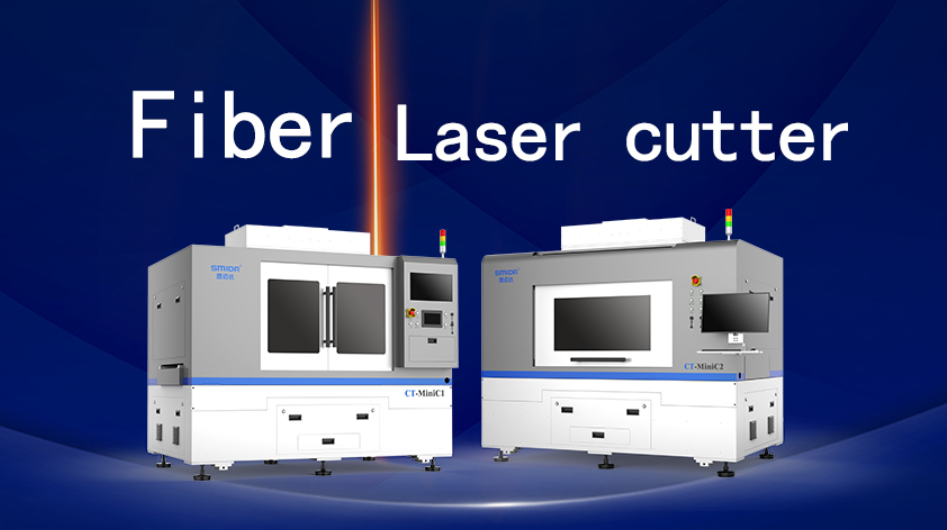
Let me start with something that keeps most shop floor managers up at night. You buy expensive sheets of metal, you load them onto your cutting table, and then you watch a chunk of that valuable material turn into scrap. That leftover skeleton full of holes. Those odd shaped remnants stacking up in the corner. It hurts, right? It really does. In laser cutting operations, material usage and yield are critical metrics that directly impact production efficiency, cost control, and sustainability. And here is the kicker. Most manufacturers are leaving serious money on the table without even realizing it.
Traditional cutting methods like plasma, oxy fuel, and mechanical shearing have been around forever. They get the job done, sure. But they waste a ton of material in the process. Plasma cutting leaves wide kerfs. Mechanical shearing creates burrs and requires secondary finishing. And all of that adds up to one thing. Lower material yield and higher costs. But advanced laser cutting technology changes the game entirely. It gives you the ability to maximize material utilization like never before. And that means more parts from every sheet, less scrap going to the dumpster, and a healthier bottom line.
Think about it this way. Every single sheet of material you purchase has a certain amount of usable area. Your goal is to turn as much of that area into finished parts as humanly possible. A laser cutting machine makes that goal achievable by delivering precision that older methods simply cannot match. Narrow kerf widths, clean edges, and the ability to cut complex shapes without tooling constraints all add up to significantly higher material yields. Some advanced laser cutting systems can even achieve material utilization rates of 96 percent or higher. That is almost every square inch of your raw material turning into revenue instead of trash.
How Zero Kerf Technology and Smart Nesting Save You Real Money
Now let me get into the technical details that actually matter to your wallet. One of the biggest sources of waste in any cutting process is something called kerf. That is the width of material that gets vaporized or melted away during the cut. Traditional cutting methods can have kerf widths of half a millimeter or more. And every time you make a cut, that material is gone forever. It adds up fast. But advanced laser cutting technology drastically reduces kerf width. Some systems can achieve cuts with a width of less than 0.1 millimeters. That is incredibly narrow. And when you multiply that saving across hundreds or thousands of cuts per day, the material savings become substantial. Some manufacturers have reported saving over 4,800 dollars per month just from reduced kerf waste.
But kerf reduction is only part of the story. The real magic happens when you combine narrow kerfs with smart nesting software. Nesting is basically digital Tetris for your metal sheets. You take all the part shapes you need to cut, and the software figures out the most efficient way to arrange them on each sheet. Advanced nesting software can reduce scrap by 15 to 30 percent compared to manual layout. That is huge. Some systems even allow you to nest parts from different orders together on the same sheet, pushing material utilization to its absolute limit. For example, one manufacturer was able to cut 16 extra parts per sheet just by switching from manual nesting to intelligent nesting software. Over the course of a year, that added up to over one and a half tons of steel saved per equipment set. That is real money.
And here is something else that often gets overlooked. Those leftover remnants and skeleton frames that used to go straight to the scrap bin can now be put back to work. Advanced laser cutting systems can be equipped with vision systems that scan leftover material, recognize its shape and size, and automatically generate optimized nesting layouts for reuse. Some systems have been shown to increase remnant nesting utilization by 175 percent. That means you are extracting value from material that would have otherwise been pure waste. It is like finding money in your own trash can.
Why Precision and Low Heat Input Protect Your Yield Rates
Let me share another angle that is critical for maximizing material utilization. It is not just about how much material you start with. It is also about how many of your cut parts actually turn out good enough to use. That is your yield rate. And traditional cutting methods can really hurt your yield.
Plasma cutting and oxy fuel cutting generate a ton of heat. That heat warps the material, creates a thick heat affected zone, and often leaves rough edges that require secondary finishing. When you have to grind, deburr, or sand every part after cutting, you are spending labor hours that add zero value to the final product. Plus, any part that gets distorted by heat might have to be scrapped entirely. That is a direct hit to your material utilization.
But fiber laser cutting is different. The beam is incredibly focused and precise. The heat affected zone is extremely small. For many materials, the edge comes off the machine clean and ready for welding with no secondary finishing required. Some advanced systems can even achieve zero thermal deformation, increasing yield rates by 50 percent or more. That means fewer scrapped parts, less rework, and more of your raw material actually turning into saleable products.
There is a great real world example. A shipbuilding company switched from traditional plasma cutting to laser cutting technology. They found that the laser kerf width was much smaller than the traditional process. As a result, they saved over 200 tons of steel per year. And their product qualification rate jumped to 99.8 percent. That is what precision cutting can do for your bottom line. Every part comes off the machine dimensionally accurate, with no burrs, no slag, and no warping. You are not wasting material on bad cuts, and you are not wasting labor on rework. It is a win all around.
How Smarter Workflows and Automation Multiply Your Savings
Let me wrap up by talking about something that a lot of people miss. Material utilization is not just about what happens on the cutting table. It is about how the entire production workflow comes together. And that is where advanced laser cutting technology really shines.
Think about how traditional fabrication shops work. You cut parts on one machine. Then you move them to a different area for welding. Then you move them again for marking or finishing. Every time parts move between stations, you risk misalignment, damage, or just plain losing track of them. And all that material handling adds labor hours without adding value to the product.
But modern laser cutting machines can be integrated into a seamless, automated workflow. The same fiber laser technology used for cutting can also be used for welding and marking. When you standardize on one technology platform, calibration becomes simpler, handling systems can be synchronized, and the whole production line becomes more efficient. That means less material wasted on handling errors, fewer parts damaged in transit, and faster turnaround times that let you get more value from every sheet.
Automation also plays a huge role in maximizing material utilization. Systems with automatic loading and unloading can run lights out production around the clock. That means your laser cutting machine is constantly producing, not sitting idle waiting for an operator. Some advanced systems even use artificial intelligence to optimize cutting parameters in real time, adjusting for material variations and preventing defects before they happen. This is the kind of smart manufacturing that turns material utilization from a cost center into a competitive advantage.
And let me not forget about sustainability. Maximizing material utilization is not just good for your profit margin. It is also good for the planet. Every ton of metal you save from going to the scrap yard is a ton that does not have to be mined, refined, and shipped all over again. Laser cutting technology is generally more energy efficient than traditional mechanical methods. Fiber lasers eliminate gas use, cutting down on emissions, and require less upkeep and fewer replacements. So when you invest in advanced laser cutting technology, you are not just saving money. You are also reducing your environmental footprint. And that is something everybody can feel good about.
So here is the bottom line. If you are still relying on traditional cutting methods, you are almost certainly wasting material and leaving money on the table. Advanced laser cutting technology gives you the tools to maximize every single sheet. Narrow kerf widths, smart nesting software, precision that protects your yield rates, and automated workflows that multiply your efficiency. The technology is proven. The savings are real. And the time to make the switch is now. Because every piece of material you save today is pure profit tomorrow.