 EN
EN

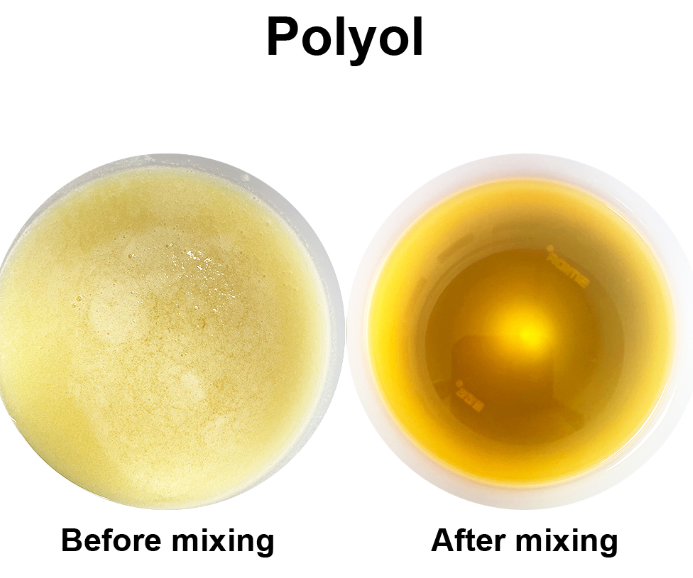
Let me start by painting a picture that every automotive engineer understands all too well. You have a sensitive electronic control unit. It is packed with tiny wires, delicate solder joints, and microchips that cost serious money. You encapsulate it with resin to protect it from the brutal environment under the hood. Everything looks fine on the outside. But hidden deep inside that supposedly perfect encapsulation, there is a tiny air bubble. And that little bubble? It could be a ticking time bomb.
Air has no business being inside an electronic component. In fact, it can cause corrosion, impair heat dissipation, and in a worst case scenario, lead to short circuits and even fires. The consequences can be serious, especially in safety critical applications like those in the automotive industry. A single bubble trapped between two extremely thin coil wires can be conductive enough to create a short. And once that happens, the whole module fails.
This is exactly why automotive suppliers have turned to vacuum mixer technology for component encapsulation. When you are dealing with modern vehicles packed with dozens of electronic control units, sensors, and power modules, there is zero room for error. Every single component has to function reliably throughout its entire lifecycle, whether it is sitting in a car door handle, buried inside an ignition coil, or managing the power electronics of an electric vehicle. The demands are brutal. Extreme temperatures ranging from 40 degrees below zero up to 150 degrees Celsius. Humidity levels above 95 percent. Vibration forces that can hit 10 Gs. Road salt. Oil. Chemical aggression. And through all of that, the electronics have to keep working perfectly for 10 to 15 years or over 200,000 kilometers.
Traditional atmospheric potting simply cannot guarantee the level of protection required for these harsh conditions. When you pour encapsulation material under normal air pressure, you almost always end up trapping air pockets, especially in tight corners, around component edges, or in the windings of transformers and coils. Those voids compromise thermal conductivity, create pathways for moisture and contaminants, and weaken the physical structure of the encapsulation, making it more susceptible to cracking under vibration. That is not acceptable in the automotive world.
How Vacuum Mixing Eliminates the Bubble Problem Once and For All
So what makes a vacuum mixer so different? The answer is surprisingly straightforward. Vacuum potting means the entire encapsulation process happens inside a sealed chamber where the air has been removed. The vacuum pulls air out of the components and out of the resin itself before the material ever touches the electronics. Then the potting material is dispensed directly into the component, enclosing the sensitive electronics and ensuring that no air bubbles remain in the material.
This is where the mixing part becomes absolutely critical. You cannot just throw two component epoxy or polyurethane into a bucket and stir it with a stick. That would introduce massive amounts of air right from the start. The material preparation phase has to be just as bubble free as the potting phase. This is why a vacuum mixer is the heart of the whole operation.
There is a specific type of technology that works particularly well for these demanding applications. A planetary centrifugal vacuum mixer combines three powerful forces. First, you get planetary motion, where the mixing container both revolves around a central axis and rotates on its own axis, creating a three dimensional flow pattern that works great for high viscosity materials like epoxies and silicones. Second, you get high speed centrifugal force, typically generating 100 to 400 Gs, which forces tiny bubbles outward toward the edges of the container where they merge, rise, and escape. Third, you get a true vacuum environment inside the sealed chamber, typically down to 10 to 50 millibars, which causes trapped bubbles to expand dramatically and burst much more easily while also preventing new air from being introduced during mixing.
The combination is incredibly effective. A good vacuum mixer can complete mixing and degassing in just 5 to 30 minutes, a task that would take hours using conventional methods. Residual bubble rates can drop below 0.1 percent. That means you are starting with perfectly prepared, bubble free encapsulation material before you even begin the potting process.
But here is the really smart part. Some advanced planetary centrifugal mixers are non contact systems. Instead of using physical mixing blades that can introduce air and risk contamination, they use the centrifugal forces generated by high speed revolution and rotation to achieve a fast, homogenous mix. This non contact approach does not add air. In fact, it tends to remove it. And for critical applications, these planetary centrifugal mixers can be configured so mixing happens directly under vacuum. That is the gold standard for bubble free material preparation.
Why Automotive Suppliers Demand This Level of Protection
Let me get into the specific reasons why automotive suppliers have made vacuum mixers a standard part of their encapsulation lines. It really comes down to a few key factors that directly impact product quality, manufacturing efficiency, and liability.
First, reliability standards in automotive are insane. And I mean that in a good way. A consumer might tolerate a smartphone glitching once in a while. But a car? No way. When you are driving 120 kilometers per hour on a highway, every single electronic system has to work perfectly every single time. Automotive suppliers have to meet standards like ISO 20653, which specifies detailed protection levels for electrical and electronic equipment in road vehicles. The highest rating, IP69K, requires components to be completely dust tight and able to withstand high pressure, high temperature water jets at 80 degrees Celsius and up to 100 bar of pressure. Achieving that level of protection is nearly impossible if your encapsulation contains even microscopic voids.
Second, the cost of failure is enormous. A single defective module that fails in the field can trigger massive recalls. We are talking about millions of dollars in liability, not to mention the damage to brand reputation. Automotive suppliers know this all too well. That is why they invest in equipment that gives them absolute control over the encapsulation process. A vacuum mixer eliminates one of the biggest variables, trapped air, right at the source.
Third, modern automotive electronics are getting smaller and more complex. Electric vehicles, advanced driver assistance systems, and autonomous driving features all require densely packed electronic modules with incredibly tight geometries. Conventional atmospheric potting simply cannot penetrate all those tiny gaps and corners without leaving air pockets. Vacuum potting is often the method of choice for achieving reliable, reproducible, bubble free results in these complex shapes. The vacuum helps the resin flow into every nook and cranny before it cures, ensuring complete protection.
Fourth, thermal management is becoming a huge concern, especially in electric vehicles. Power electronics generate serious heat. If that heat cannot escape because your encapsulation has voids acting as thermal insulators, you get hot spots that can degrade performance and shorten component life. Bubble free encapsulation provides a continuous thermal path, allowing heat to dissipate efficiently. Some thermal management materials used in automotive potting can achieve thermal conductivity of 1.5 watts per meter Kelvin or higher. But that only works if the material is applied without voids.
Fifth, automotive suppliers have to think about manufacturing efficiency. A well designed vacuum mixer system can be integrated into automated production lines with multi nozzle dispensers that achieve bubble free potting with maximum cycle times, even under vacuum conditions. Some systems can prepare hundreds of liters of perfectly mixed, degassed material in a fraction of the time it would take using conventional methods. That means more parts per shift, lower labor costs, and faster time to market.
Real World Applications That Prove the Technology Works
Let me share some specific examples of where vacuum mixers are making a real difference in automotive manufacturing. These are not theoretical applications. These are real world use cases that have been proven on production lines around the world.
Ignition coils are a classic example. These components have extremely fine wire windings that sit very close together. A single air bubble trapped between those wires can create a conductive path that leads to misfires or complete coil failure. Vacuum shot dosing systems are specifically designed for the highly precise potting of ignition coils under vacuum, ensuring every millimeter of space between those delicate windings gets completely filled with bubble free resin.
Sensors are another huge application. Modern vehicles have dozens of sensors monitoring everything from wheel speed to cabin temperature to exhaust composition. These sensors have to survive under the hood, inside the transmission, or mounted directly on the wheels. They get hit with water, road salt, brake dust, and extreme temperature swings. One manufacturer tested an automotive sensor using a chemically resistant two part epoxy resin under extreme thermal cycling conditions. The resin proved it could protect and retain the sensor even when subjected to highly aggressive environmental conditions, including exposure to solvents and fuels.
Electric vehicle motors and power electronics represent the next frontier. EV motors operate at high voltages and generate significant heat. The stators, the copper windings inside the motor, need to be fully potted for cooling and electrical insulation. Vacuum potting ensures the encapsulation material penetrates every gap between the windings, eliminating any chance of partial discharge or insulation breakdown. The same goes for IGBT modules, the power switches that control electric motors. These components are potted under vacuum using two component epoxy, polyurethane, or silicone, with the material poured directly in a vacuum state to ensure zero voids.
Battery management systems are also critical. The battery packs in electric vehicles contain hundreds or thousands of individual cells, all connected by a complex network of busbars and sensing wires. Any moisture intrusion or vibration damage in the battery management electronics could lead to catastrophic failure. Vacuum potting creates a hermetic seal that keeps moisture out and provides mechanical support that prevents vibration damage.
Even automotive lighting systems rely on vacuum encapsulation. Headlights and taillights contain LED modules and control electronics that have to survive rain, car washes, and temperature extremes. Achieving IP67 or higher protection levels for these lighting modules is standard practice, and vacuum potting is often the enabling technology.
Let me also mention that the choice of encapsulation material matters just as much as the mixing process. Automotive suppliers typically work with epoxy resins, polyurethanes, or silicones, each with different properties. Epoxies offer high strength and excellent chemical resistance, making them great for structural applications. Polyurethanes balance flexibility and cost. Silicones provide the best performance at extreme temperatures and offer low stress curing, which is important for protecting delicate wire bonds. A good vacuum mixer can handle all of these materials, from low viscosity liquids to high viscosity pastes, and can even mix in fillers like ceramic powders that improve thermal conductivity.
The bottom line is that automotive suppliers are not using vacuum mixers because they want fancy equipment. They are using them because the technology solves real problems that directly impact safety, reliability, and profitability. When a single bubble can cause a recall, and a recall can cost millions, investing in proven vacuum mixing technology is not just smart. It is essential. The automotive industry has spoken, and the verdict is clear. Vacuum mixers are here to stay.