 EN
EN

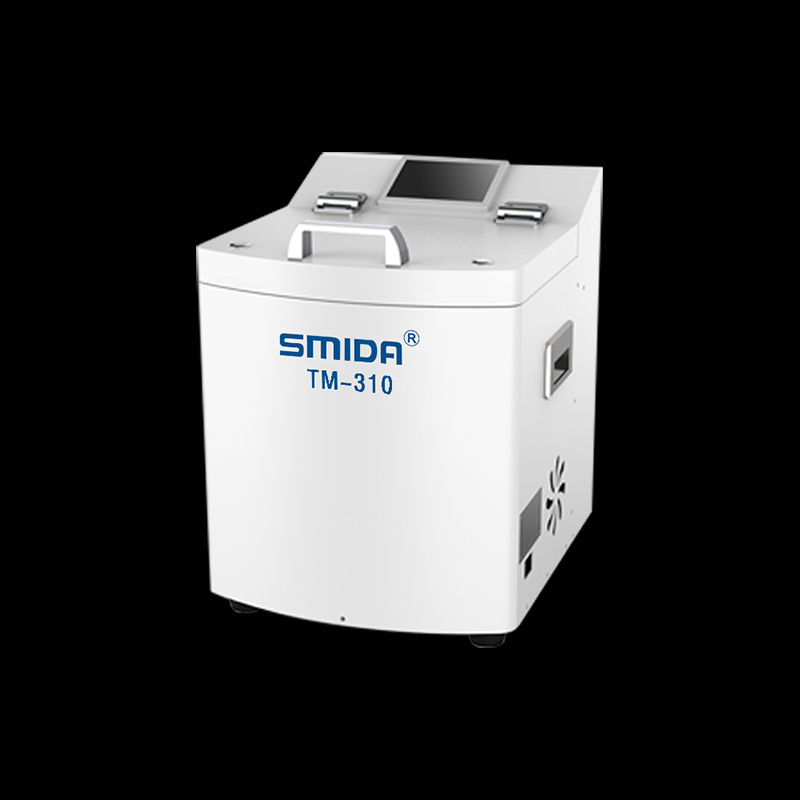
The Bubble Challenge in Epoxy Resin Processing
Epoxy resin is a true cornerstone of modern manufacturing, deeply valued across countless industries for its incredible adhesive strength, durability, and structural versatility. However, even the most sophisticated, high-performance epoxy formulations are frequently compromised by a single, persistent enemy: entrapped air. During the critical mixing phase of base resins and hardeners, tiny air bubbles are almost inevitably introduced into the mixture. If left untreated, these microscopic voids act as hidden stress concentrators, leading to catastrophic structural failures in aerospace composites, unsightly visual defects in high-end protective coatings, or even dangerous electrical shorts in delicate, high-precision potting applications. Achieving a perfectly clear, bubble-free finish is far more than just a cosmetic preference; it is a fundamental, non-negotiable requirement for ensuring industrial reliability, product safety, and consistent performance in demanding environments.
Limitations of Traditional Vacuum Degassing
For a long time, many professional laboratories and industrial production facilities have relied heavily on traditional vacuum chambers to remove this trapped air. While this method is certainly effective for very simple, low-viscosity mixtures, the approach faces significant, often insurmountable hurdles in modern, high-speed production environments. Traditional vacuum degassing is usually a slow, manual, and labor-intensive process that requires multiple, repeated cycles to ensure all air is successfully purged from the mixture. Furthermore, as the vacuum pressure is applied, resin mixtures often rise rapidly, creating a severe risk of material overflow. This requires constant, active supervision by skilled operators. In high-viscosity or quick-curing resin systems, this time-intensive process frequently leads to premature gelation before the degassing is complete, wasting both valuable time and expensive, high-quality raw materials. The inherent inconsistency of results across different batches remains a primary, frustrating challenge for research teams who are constantly striving for absolute precision and repeatability.
The Technical Edge of Planetary Centrifugal Mixing
In sharp contrast to older methods, planetary centrifugal mixing technology represents a truly transformative leap forward in material processing. By utilizing a sophisticated simultaneous rotation and revolution movement, these advanced systems generate high-magnitude centrifugal forces that naturally drive even the smallest air bubbles to the surface while simultaneously mixing the resin and hardener with remarkable, extreme efficiency. This entire process occurs in a single, closed, and highly controlled cycle. Because the powerful centrifugal force acts directly on the entire volume of the material, it is significantly more effective than traditional vacuum methods, especially for materials that are simply too thick or viscous for standard degassing techniques. This advanced non-contact approach eliminates the need for physical mixing blades or mechanical stirrers, which prevents unwanted mechanical contamination and ensures that the internal molecular structure of the resin remains completely undisturbed throughout the entire mixing process.
Comparative Analysis Why Centrifugal Systems Excel
When comparing modern planetary centrifugal mixing against conventional vacuum degassing, the massive advantages in daily productivity and final product quality become crystal clear. Centrifugal systems offer a level of consistency that is simply unmatched by traditional methods, allowing formulators to easily program specific, granular parameters—such as precise rotational speeds and variable vacuum levels—to ensure flawless results regardless of the specific batch size or material viscosity. For research and development professionals, this means the ability to achieve high-performance results in mere minutes rather than wasting hours on manual cycles. These systems effortlessly handle high-viscosity resins and complex, nanoparticle-filled composites that would be nearly impossible to degas properly in a standard chamber. By ensuring the material is perfectly uniform and completely void-free, manufacturers can drastically reduce the rejection rate of their final products, leading to substantial, long-term cost savings and a much more reliable manufacturing operation.
SMIDA Empowering Global Manufacturing Excellence
True innovation in the challenging world of material science requires high-end equipment that can keep pace with modern industrial standards. SMIDA understands that the immense complexity of modern epoxy applications requires specialized, intelligent technology rather than standard machinery. With extensive industry expertise, a robust, large-scale manufacturing base, and numerous core technology patents, SMIDA has firmly established itself as a foundational partner for top-tier research institutes and industrial leaders globally. From high-capacity industrial vacuum planetary centrifugal mixers to customized, non-standard automation solutions, the global team works closely with partners to bridge the gap between experimental concepts and industrial reality. By providing a strong engineering backbone and superior supply chain reliability, SMIDA helps brands maintain their competitive edge in a fast-paced, material-driven global market. Whether refining a delicate, luxury composite or scaling up heavy-duty structural resin production, SMIDA offers the technical excellence necessary to achieve true manufacturing greatness. This commitment to quality and innovation makes the company a preferred partner for enterprises looking to push the boundaries of what is possible in epoxy resin production.