 EN
EN

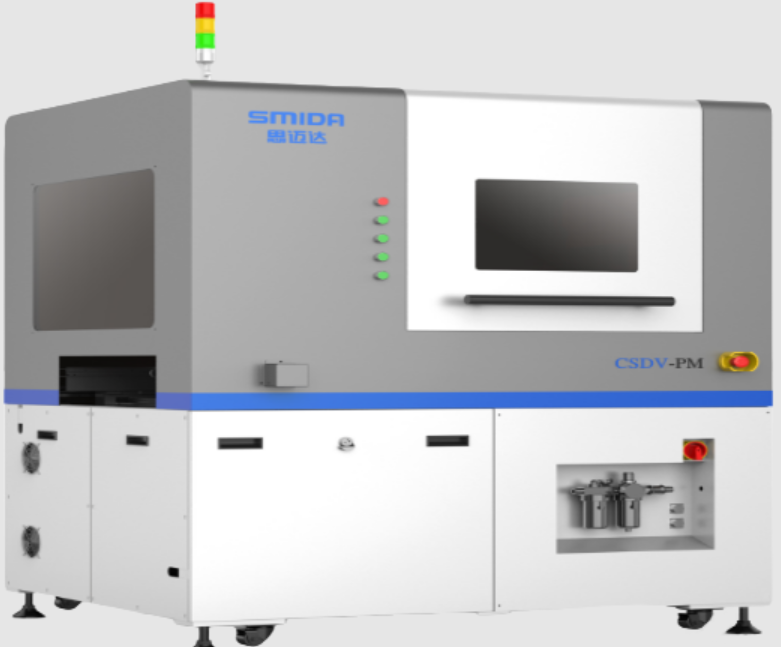
Let me be straight with you. Rework is one of those costs that hides in plain sight. You see a few misprinted labels, a couple of scratched serial numbers, maybe a barcode that won't scan. Each one seems like a small problem. But add them up over a month, a quarter, a year, and you are looking at real money walking out the door.
Here is a story that should make any manufacturing manager sit up and take notice. A Chinese automotive parts supplier once faced a massive recall that cost them 30 million yuan. The reason? Faded inkjet markings on wheel bearings. The markings were supposed to guide assembly line workers, but after exposure to heat and handling, the ink became unreadable. The wrong parts got installed. Cars had to be recalled. Millions gone, just like that.
That is an extreme example, but the underlying problem happens every day in factories around the world. Traditional marking methods like inkjet printing, dot peening, and mechanical engraving all have built in failure points. Ink fades, smears, or gets wiped off. Dot peen marks can be shallow and hard to read, especially after secondary processes like painting or coating. Mechanical engraving wears down tooling and creates burrs that need additional finishing.
And here is the kicker. Even when those methods work, they create waste. Ink cartridges run out. Engraving bits wear down. Compressed air systems need maintenance. Each of those consumables adds to your operating costs. But the real cost driver is rework. Every time a mark fails inspection, someone has to stop production, pull the part, figure out what went wrong, and either remanufacture it or spend labor hours fixing it. That downtime adds up fast.
What if you could eliminate almost all of that? That is exactly what high speed precision laser marking machines deliver. A laser marking machine does not use ink, does not wear down, and does not touch the product. It creates permanent, high contrast marks that survive harsh environments, secondary processes, and years of use. And it does it in a fraction of a second.
Why Precision and Speed Are Two Sides of the Same Coin
Let me break down how a modern fiber laser marking machine actually reduces rework costs. It comes down to three things. Accuracy, repeatability, and speed. And they all work together.
First, accuracy. A good laser marking machine can achieve marking precision down to plus or minus 0.01 millimeters. To put that in perspective, that is about one tenth the thickness of a human hair. When you are marking tiny components like microchips, connectors, or medical instruments, that level of precision is non negotiable. Miss the target by even half a millimeter and the mark might end up overlapping a critical surface, rendering the whole part useless.
This is where technologies like CCD visual positioning come into play. Instead of relying on manual fixtures or guesswork, the system uses an industrial camera to see each workpiece before marking. It automatically identifies the position, rotation, and edges of the part, then compensates for any misalignment in real time. No more rejected parts because a tray was loaded slightly off center. No more operator dependent variability.
Second, repeatability. A manual marking process is only as good as the person doing it. One operator might position parts carefully. Another might rush. Shift changes introduce inconsistencies. Human eyes get tired. But a laser marking machine does not have off days. Once you dial in the parameters for a specific material and part geometry, the machine reproduces that exact same mark every single time. Batch after batch. Shift after shift. That consistency directly translates to lower scrap rates and less rework.
Third, speed. Time is money, and marking speed affects both your throughput and your cost per part. Some SMT laser marking machines can mark a single PCB in just 0.3 seconds. That is about ten times faster than traditional inkjet printing for the same application. Faster marking means more parts per hour, but it also means less work in progress inventory sitting around waiting for their turn at the marking station.
Here is something most people overlook. Speed also affects rework because it gives you the ability to inspect and correct in real time. When you have a high speed laser marking machine integrated with a vision system, you can verify each mark immediately after it is made. If something goes wrong, you know about it right away. You are not discovering defects three weeks later at final assembly.
How Traceability Turns Marking Into a Cost Saving Tool
Let me shift gears and talk about something that a lot of manufacturers treat as an afterthought. Traceability. Most people think of product marking as just a requirement. Put a barcode here, a date code there, move on. But smart manufacturers have figured out that traceability is actually a powerful tool for reducing rework costs, not just complying with regulations.
Think about what happens when a quality issue shows up in the field. Maybe a batch of brake calipers has a casting defect. Maybe a run of medical implants used a slightly different alloy than specified. Without good traceability, you have no idea which parts are affected. The only safe option is to recall everything. And recalls are brutally expensive.
But with a laser marking machine, you can create what is called a "one part, one code" system. Every single component gets a unique Data Matrix or QR code that contains its entire production history. Batch number. Machine settings. Inspection results. Supplier lot numbers for raw materials. Everything. When a problem does occur, you just scan the code. You know instantly which parts are affected and which are safe. Targeted recalls instead of blanket recalls. That saves millions.
Here is a real world example. An electronics manufacturer was struggling with high rework costs from misidentified PCBs. Different product variants looked almost identical, and workers kept grabbing the wrong boards during assembly. The solution was a laser marking machine that printed a permanent, highly visible code on every board right after the soldering stage. Rework dropped by over 27 percent almost overnight. The assembly line could finally tell each board apart at a glance.
And do not forget about counterfeiting. In industries like automotive, aerospace, and medical devices, counterfeit parts are a serious problem. A fake part that fails can cause injury, lawsuits, and massive recalls. Laser marking creates marks that are extremely difficult to replicate. Some systems can even create micro scale or nano scale textures that are invisible to the naked eye but detectable with specialized readers. That makes counterfeiting practically impossible.
Real World Proof That Laser Marking Pays for Itself
Let me give you some concrete numbers so you can see why this is not just theoretical. The numbers are real.
First, consumables. A traditional inkjet printer eats through cartridges, solvents, and maintenance kits. Over a year, those consumables can easily cost several thousand dollars per machine. A fiber laser marking machine has no consumables. Zero. The only ongoing cost is electricity. Some users report reducing annual consumable costs by 70 percent or more after switching to laser marking.
Second, rework reduction. One manufacturer reported that after implementing CCD visual positioning on their laser marking machine, scrap and rework rates dropped significantly. The system automatically compensated for part position variations, eliminating the most common source of marking errors. The payback period on the equipment was less than six months.
Third, throughput gains. A UK based manufacturer was marking 140 components on their old system. The complete cycle took nearly four hours. That was a serious bottleneck. They switched to a high speed laser marking system with a dual table configuration. Cycle time dropped to just 40 minutes for the same 140 parts. That is a 500 percent increase in productivity. The machine kept running continuously because one table could be loaded while the other was marking. No more downtime for loading and unloading.
Fourth, labor savings. Manual marking processes require an operator to load, align, and inspect each part. With an automated laser marking machine, especially one integrated with a conveyor or pick and place system, one operator can monitor multiple machines simultaneously. Some fully automated systems can run lights out overnight, producing marked parts with zero labor cost.
Fifth, quality improvements. A home appliance manufacturer implemented laser marking on their stainless steel panels. They were able to achieve 85 percent contrast on permanent marks without damaging the corrosion resistance of the material. Their defect rate dropped by 40 percent on their high end product lines.
Now let me tie this back to the keyword. A high quality laser marking machine is not an expense. It is an investment that pays for itself through reduced rework, lower consumable costs, higher throughput, and better quality. The technology has matured to the point where entry level machines are affordable for small shops, while high end systems can handle the most demanding production environments.
Here is my advice. If you are still using inkjet, dot peen, or mechanical engraving for your product marking, do the math. Track your rework costs for one month. Count every part that gets scrapped or reworked because of marking issues. Include the labor hours spent fixing problems. Add in your consumable expenses. Then compare that to the cost of a fiber laser marking machine. I am willing to bet that the payback period is shorter than you think.
The manufacturing world is moving toward higher precision, better traceability, and lower tolerance for errors. A laser marking machine puts you ahead of that curve. It protects your profit margins by eliminating the hidden costs of rework. And once you start using one, you will wonder how you ever managed without it.