Technical Bottlenecks of Traditional Grinding Equipment for Miniaturized 5G Paste
5G communication components, RF filters and flexible circuits demand conductive paste with ultra-fine dispersion, high compactness and low high-frequency loss. Conventional grinders have three fatal flaws: uneven particle distribution causes pinholes & bubbles on electrodes; excessive grinding heat damages flexible resin; wide particle size distribution leads to RF signal attenuation, failing mass production of MLCC termination silver paste, LTCC RF slurry and wearable conductive adhesive.
General grinding machines lack ultra-precise roller gap control to stabilize 1–2μm fine particles. Without independent cooling loops, low-temperature curing flexible paste loses performance. No digital recipe storage creates inconsistent conductivity between batches and raises defect rates of 5G end devices.
SMIDA Custom Three Roll Mill Grinding Solution for Full Range of 5G Electronic Pastes
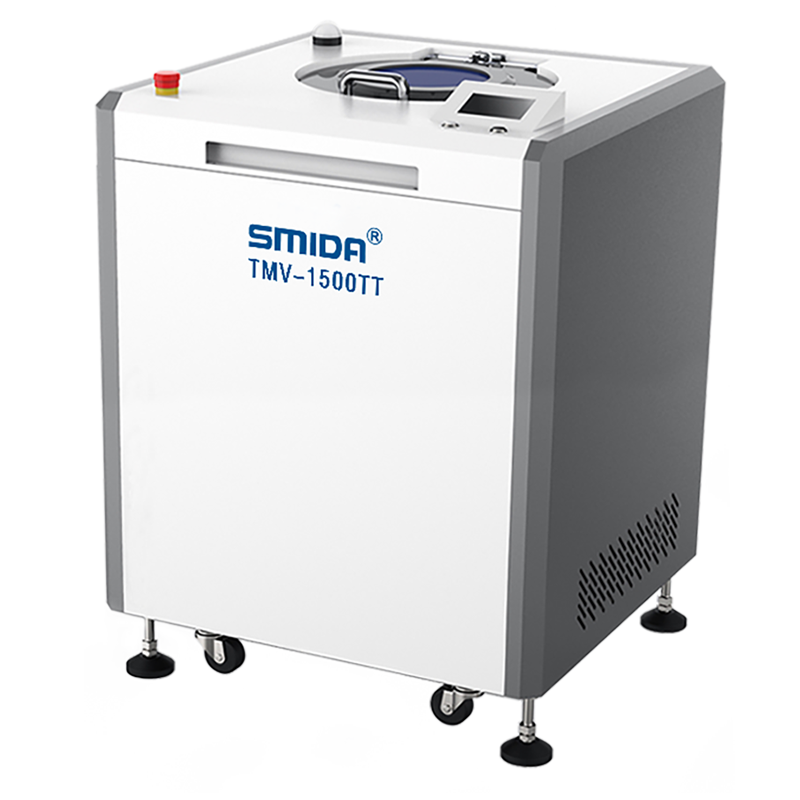
Developed exclusively for high-frequency 5G materials, SMIDA three roll mills adopt high-hardness ceramic rollers with servo micron-level gap adjustment. Powerful shear force fully deagglomerates metal powder while meeting intelligent manufacturing requirements including low-temperature processing, zero contamination and full data traceability:
1. 1–2μm Ultra-Fine Particle Dispersion to Reduce 5G High-Frequency Loss
Multi-pass grinding refines silver powder to 1~2μm with uniform dense distribution. MLCC electroplated electrodes stay free of pinholes and bubbles, drastically cutting high-frequency signal loss for miniaturized chip component packaging.
2. Closed-Loop Low-Temp Cooling to Protect Heat-Sensitive Flexible Resin
Independent water circulation cooling strictly controls temperature rise during grinding. The resin structure of low-temperature curing flexible conductive paste remains intact, maintaining stable conductivity after repeated bending for flexible base stations and wearable 5G devices.
3. Contamination-Free Ceramic Rollers for High-Purity RF Slurry Standards
Mirror-polished ceramic rollers prevent metal precipitation with zero grinding media involved. LTCC ceramic powder and conductive metal powder blend without impurity intrusion, delivering continuous sintered conductors, boosting filter Q factor and minimizing RF signal attenuation.
4. Wide Compatibility for High-Viscosity 5G Conductive & Dielectric Slurries
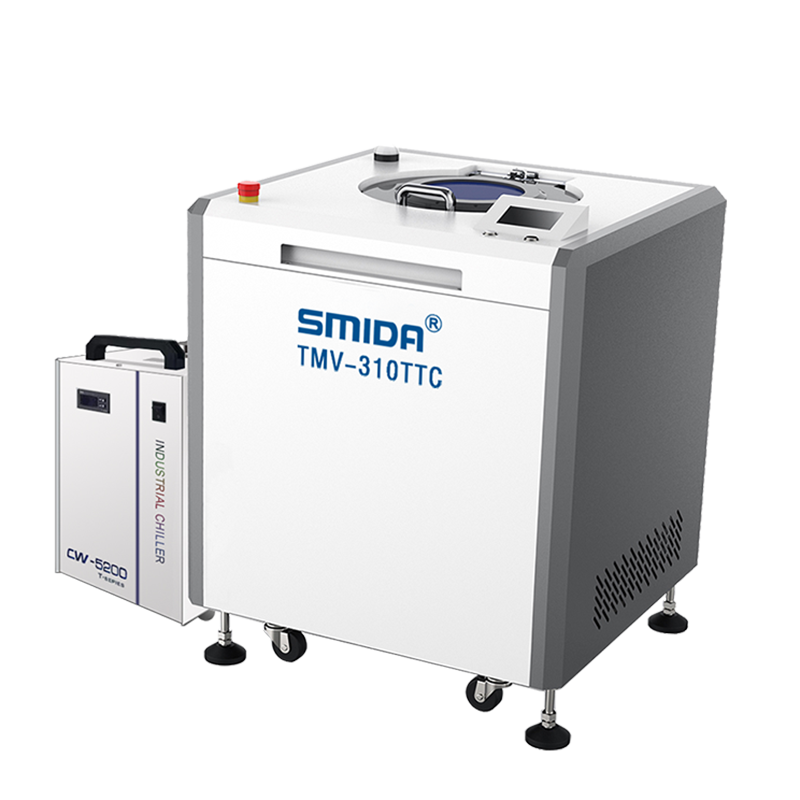
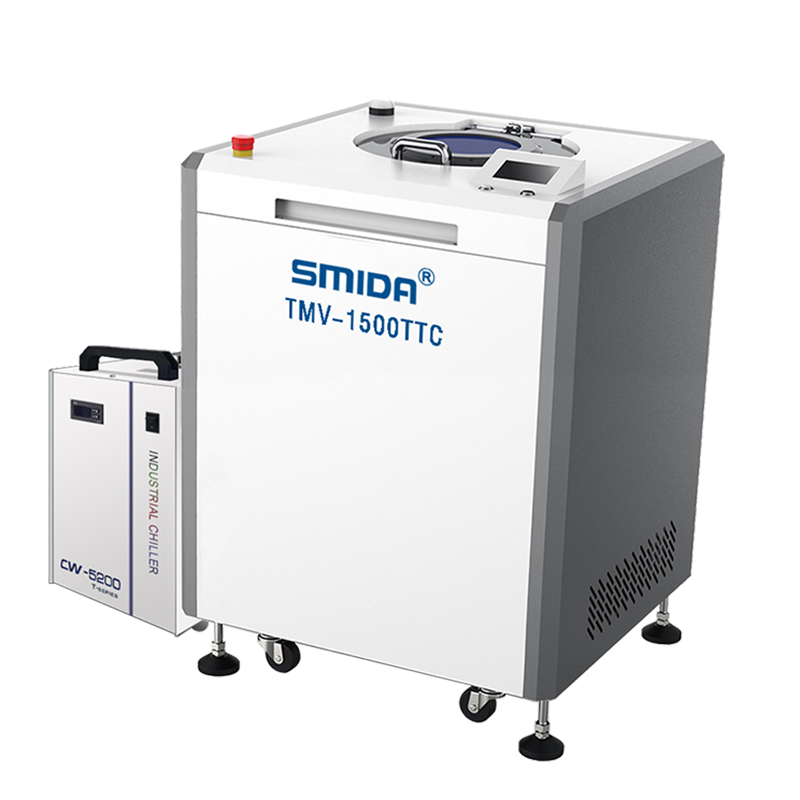
Handles high-solid-content RF paste, resistance paste and dielectric ink with viscosity up to millions of cPs, compatible with MLCC, LTCC and FPC flexible circuit formulas. Full product line covers lab R&D small models and high-volume industrial production machines.
5. Intelligent Digital Control System with Full Production Traceability
Touchscreen stores exclusive grinding recipes for 5G pastes paired with real-time inline particle size inspection. All production data auto-saves for digital quality control and compliance traceability, ready to connect with automated smart production lines.
Mature Application Scenarios for 3 Main Types of 5G Slurry
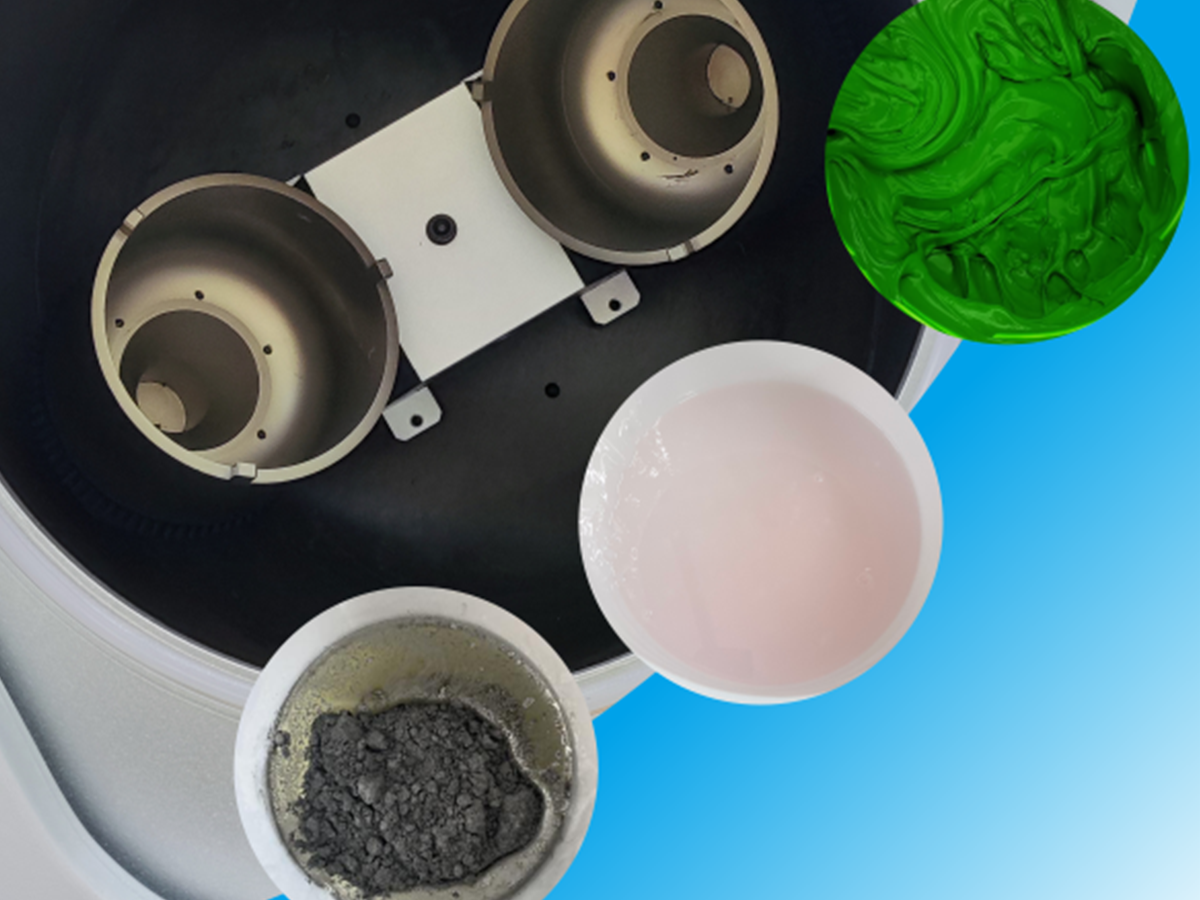
- MLCC termination ultra-fine silver paste: Conductive electrodes for micro chip capacitors
- LTCC RF ceramic slurry: Green tape manufacturing for 5G base station filters & RF antennas
- Low-temperature flexible conductive paste: Circuits for foldable screens, wearables & flexible base stations
Paste processed by SMIDA three roll mill delivers dense sintered layers and uniform conductivity, lowering high-frequency loss and dimensional deviation to reduce scrap rates of 5G terminals and base station hardware.
SMIDA Three Roll Mill Accelerates Intelligent Upgrading of 5G Electronic Manufacturing
SMIDA offers complete three roll mill series from lab R&D to high-volume industrial production, compatible with factory automated line retrofits. The media-free design cuts power consumption while ceramic rollers ensure long-term stable operation. It resolves core process challenges including insufficient dispersion precision, inconsistent batch quality and excessive RF loss, becoming standard precision grinding equipment for high-end electronic manufacturing.
5G material manufacturers are welcome to schedule free paste testing and on-site production line consultation.
 Hot News
 EN
EN