Two Core Process Defects of Low-Temp Copper Paste Manufacturing: Insufficient Grinding Fineness & Micro-Bubble Defects
Full preparation of low-temperature copper paste for HJT/BC solar cells covers precision grinding and vacuum degassing, yet single machine cannot satisfy both technical standards, creating two widespread industrial pain points:
- Grinding-only equipment without professional degassing: Micro bubbles trapped inside high-viscosity copper paste form micropores after curing, weakening electrode adhesion and conductivity and shortening long-term module reliability.
- Degassing-only equipment without low-temperature precision grinding: Agglomerated copper powder and oversized particles cause broken lines & screen clogging during fine grid printing, failing cell conversion efficiency mass production targets.
Separate grinding and degassing stations increase copper paste oxidation risk during manual transfer, raise material loss and lower production yield, unable to support GW-scale PV factory expansion.
SMIDA Closed-Loop Integrated Process: Complete Set of Three Roll Grinding & Blade-Free Planetary Vacuum Degassing Equipment
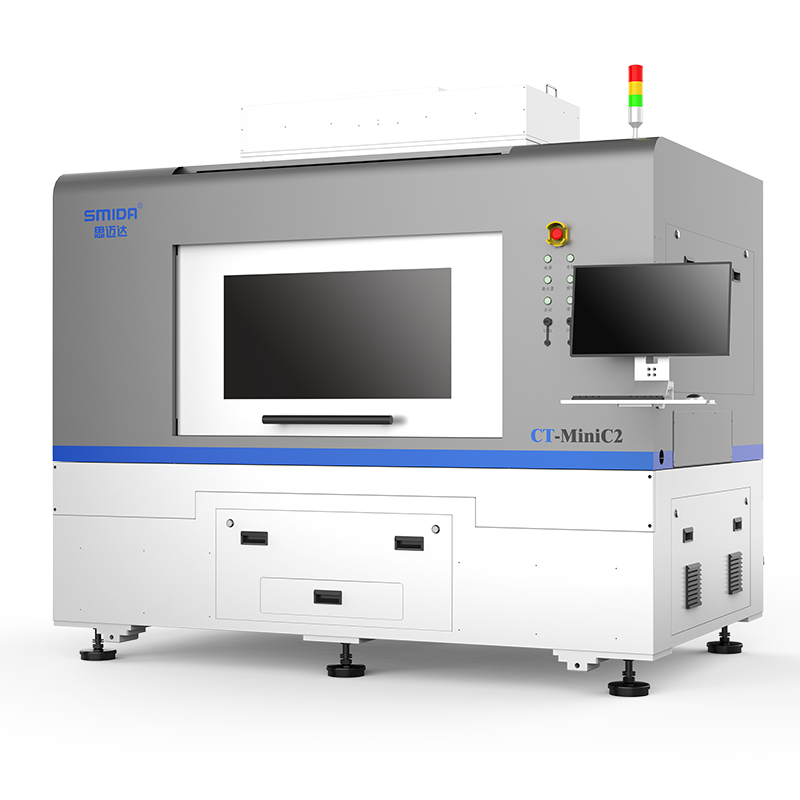
SMIDA launches full dispersion production lines exclusively for PV de-silvering copper paste. The front-end low-temp controlled three roll mill delivers ultra-fine deagglomeration grinding, while the back-end planetary centrifugal vacuum mixer removes microbubbles under high vacuum. The two machines work in tandem to eliminate all quality defects of copper paste and support automated assembly line integration:
1. SMIDA Low-Temp Precision Three Roll Mill: Frontline Ultra-Fine Grinding Barrier
- Water circulation constant temperature system limits grinding temperature rise ≤25℃ to suppress nano copper oxidation and guarantee stable paste conductivity;
- High-shear ultra-mirror ceramic rollers refine copper paste fineness stably under 3μm, fully breaking powder agglomerates for precise 0BB fine grid printing;
- Media-free grinding eliminates impurity precipitation to meet ultra-high purity standards of PV electronic paste and prevent electrode leakage failure.
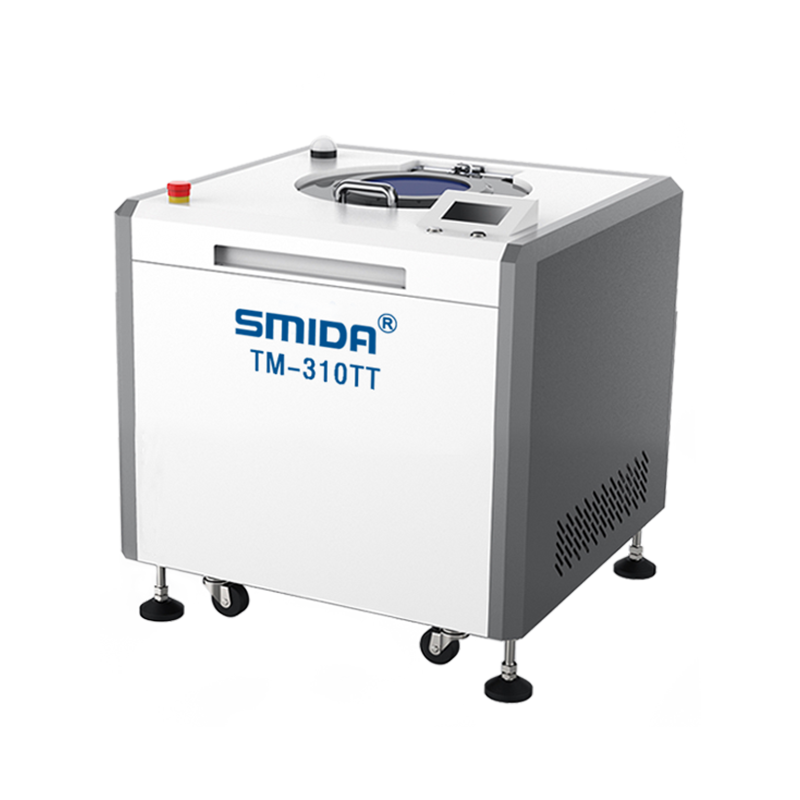
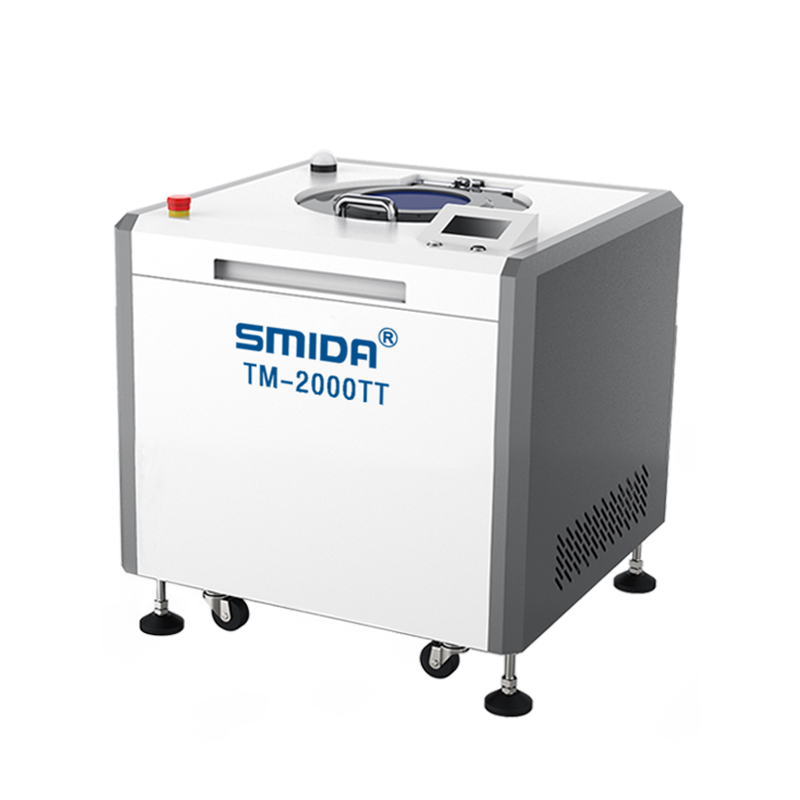
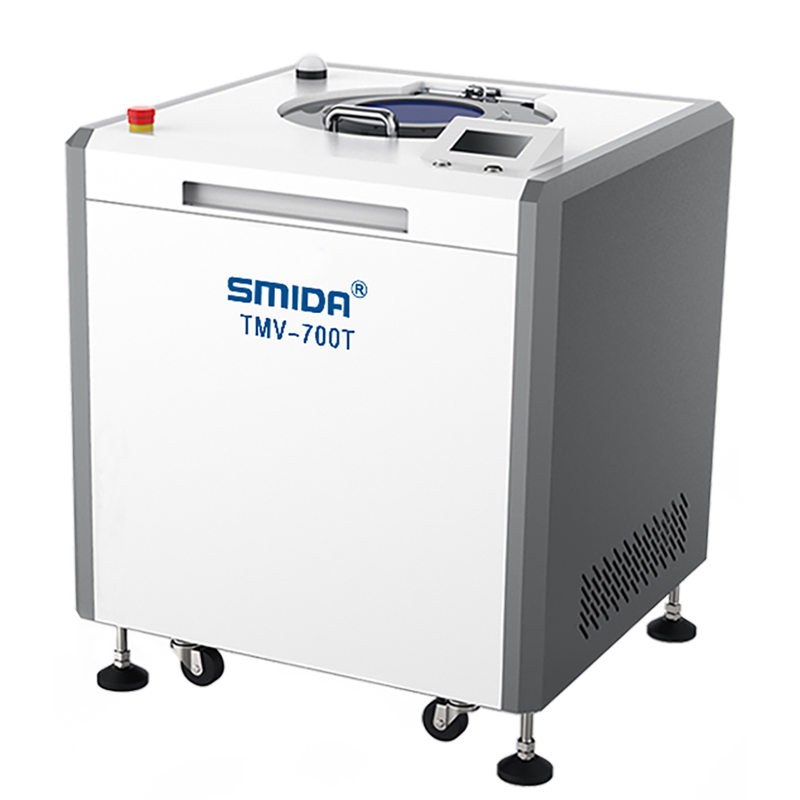
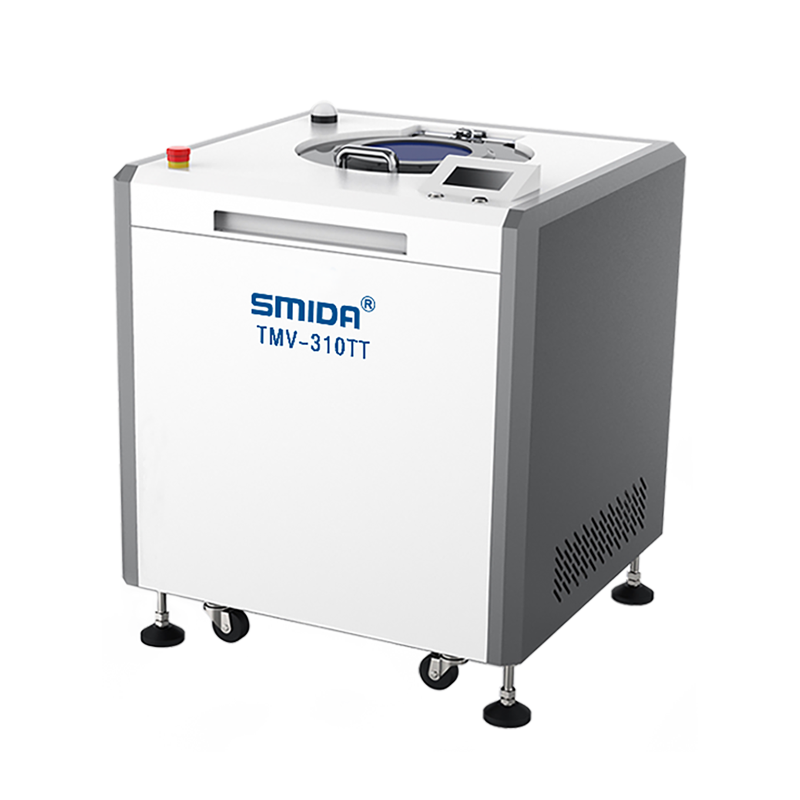
2. SMIDA Blade-Free Planetary Vacuum Degassing Mixer: Backend Microbubble Elimination Barrier
- -100KPa high vacuum centrifugal degassing: Combined revolution & rotation centrifugal force rapidly extracts micro bubbles inside high-viscosity copper paste, leaving zero micropores after curing;
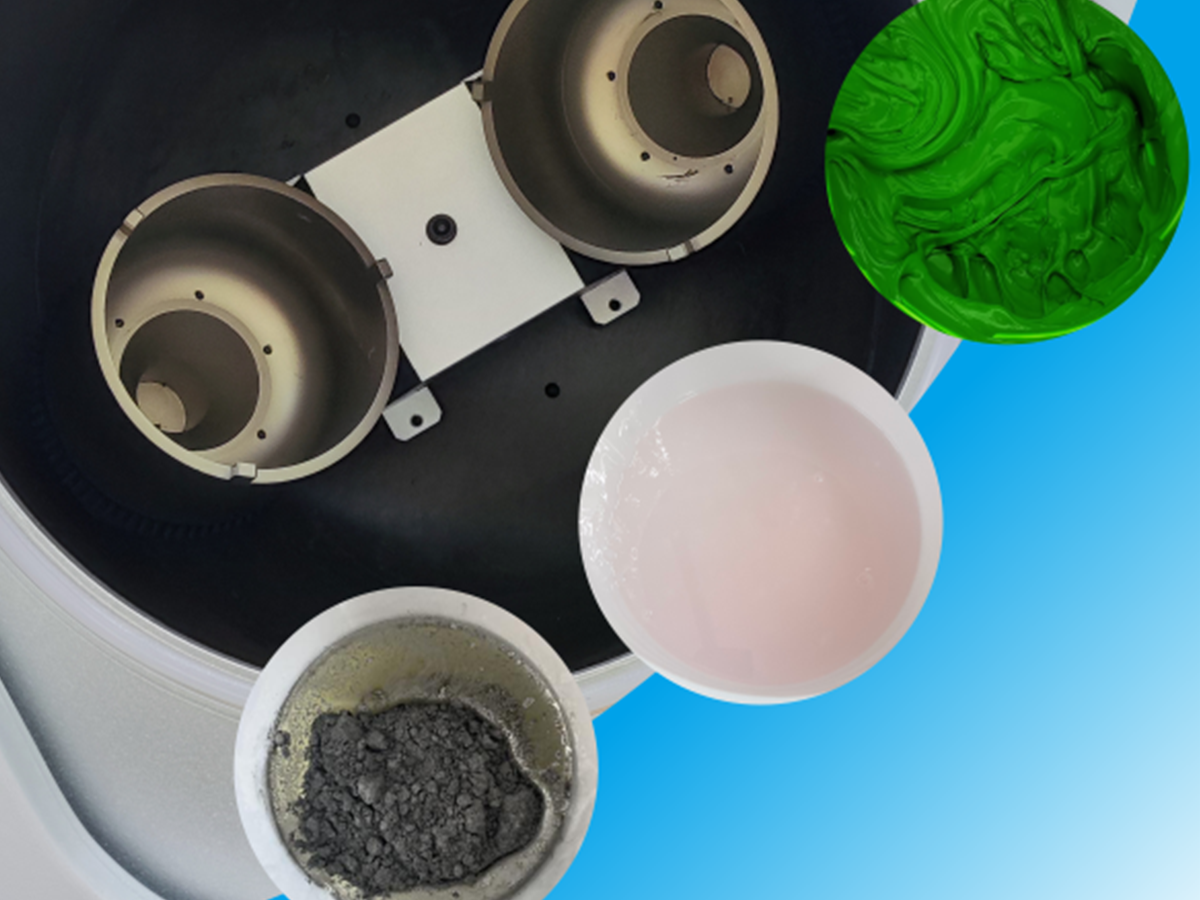
- Non-intrusive blade-free design: Materials only contact containers without metal blade contamination, simple cleaning between batches for flexible multi-formula copper paste production;
- Large-volume fast processing: Full mixing & degassing finished within 20 mins for each batch, seamlessly connecting three roll grinding procedures to realize 24-hour non-stop mass production;
- Optional robotic arm linkage for automatic bucket loading/unloading, full unmanned operation to cut oxidation risks caused by manual temperature exposure.
3. Synergistic Advantages of Complete Set for Full Copper Paste Production Workflow
- Coherent closed-loop workflow: Ground paste transfers directly to vacuum degassing station to reduce oxidation risk from intermediate exposure;
- Unified digital control: Shared recipe parameters for three roll mill and planetary degassing mixer, all production data auto-recorded for traceability to meet PV factory digital quality control standards;
- Full-range production line coverage: Complete lab R&D sets, pilot units and ton-level mass production machines available to support phased factory expansion & retrofits.
Mature Application Scenarios for SMIDA Complete De-Silvering Paste Lines
- Full preparation line for HJT heterojunction front low-temperature copper paste
- Silver-coated copper electrode paste production line for BC back-contact cells
- R&D & mass production line for TOPCon busbar-free fine grid conductive copper paste
- Manufacturing line for PV low-temperature conductive silver-copper composite adhesive
Copper paste processed via SMIDA integrated grinding & vacuum degassing workflow features ultra-fine non-agglomerated powder and zero internal microbubbles, producing smooth dense printed grid lines with lower contact resistance. Solar cell conversion efficiency and module thermal-humidity aging resistance are both improved, greatly lifting mass production yield.
SMIDA Complete Production Line Accelerates PV De-Silvering Transformation for Manufacturers
Separate grinding or degassing equipment cannot fully resolve oxidation, agglomeration and microbubble defects of low-temperature copper paste. SMIDA delivers one-stop integrated three roll mill + planetary vacuum degassing solutions with factory-native compatibility without secondary modification, satisfying three core requirements: low-temperature anti-oxidation, ultra-fine dispersion and bubble-free output. The energy-saving full set supports intelligent unmanned workshop upgrades, drastically cutting per-watt metallization cost of solar cells, empowering domestic copper paste technology to replace imported products and capture global low-carbon PV manufacturing market.
PV paste manufacturers and solar cell producers are welcome to schedule full paste testing and on-site production line consultation.
 Hot News
 EN
EN